
Balancing Religious Identity and Diversity Rights in Education
The Rundown
- Managing religious identity vs. student rights in public schools entails protecting religious expression, not engaging in religious activities or favoring secular views over religious ones, or one religion over another, as an institution, and consistently addressing discriminatory harassment of religious and non-religious students.
- Schools should also consider parental opt-out rights.
- Faith-based schools’ legal obligations may include requesting Title IX exemptions, and these schools may also benefit from transparency in their policies on religious expectations, admission criteria, student conduct standards, accommodations, and the scope of exemptions.
- An education expert witness assessment can help with balancing religious identity and diversity.
Schools must protect the constitutional rights of parents, students, and employees to exercise their religion freely. They are also expected to provide equal access to educational opportunities and protect all students from discrimination based on who they are.
The challenge is that it is not always clear what compliance with religious liberty vs. diversity mandates looks like in practice. For instance, faith-based schools’ legal obligations often differ from those of public schools, particularly regarding Title IX policies and religious exemptions.
This is a common source of misunderstandings and tensions among educators, parents, and legal professionals.
This article explores what balancing religious identity and diversity entails, drawing on the school-specific professional standards of care typically examined in education expert witness assessments.
Where Religious Identity vs. Student Rights Conflicts Lie
Schools across the US and Canada increasingly face complaints and litigation related to religious liberty vs. diversity mandates. We’ve noticed in our work providing school liability expert witness services that public schools and faith-based schools might face this challenge differently.
In Public Schools
The balance between religious identity and diversity breaks down in various ways.
Schools may lead religious activities at mandatory school gatherings, support secular student clubs while refusing access to religious student organizations, or introduce LGBTQ+-inclusive curriculum while denying religious parents any opportunity to opt their children out.
Schools sometimes suppress religious expression, such as prayer or religious attire, when trying to foster inclusion.
Religion-based harassment is also a pressing problem in schools. There are many cases of Muslim students being called terrorists in school or Jewish students finding swastikas on their belongings and receiving antisemitic remarks. Students have also received threats, slurs, or exclusion not only based on religion, but also based on sex and sexual orientation.
Conflicts, liability claims, and education expert-witness assessments often center on how an institution responded to incidents involving religious identity vs. student rights.
Balancing religious identity and diversity is about identifying and addressing breaches of the standard of care.
In Faith-Based Schools
Complaints and litigation involving religious liberty vs. diversity mandates also arise. They may center on fairness, equal access, and student welfare.
A school may enforce stricter conduct expectations for female students based on religious doctrine. It may limit their opportunities for participation or subject them to disciplinary standards that male students do not face.
Students may get disciplined, expelled, denied admission, or excluded for identities or behaviors that conflict with the school’s religious beliefs. These include matters of sexual orientation, gender identity, pregnancy, or abortion.
There are cases of students who do not share the institution’s faith facing pressure to participate in religious observances or expression.
Families often question whether certain disciplinary actions, participation restrictions, or school policies are consistent with student rights. Schools, meanwhile, may argue that those policies are rooted in their protected religious practices.
Faith-based school legal obligations, scope of institutional authority, and the limits of their Title IX policies and religious exemptions often come into question during an education expert witness assessment.
Balancing religious identity and diversity often requires careful consideration of religious protections and student rights.
Upholding Religious Liberty vs. Diversity Mandates
Schools face strict constitutional constraints on both sides of the religious identity vs. student rights equation.
On the diversity front, they must comply with the Equal Protection Clause, Title VI of the Civil Rights Act, and Title IX policies. These require that no student be denied equal access to educational opportunities, be excluded, or be harassed based on protected characteristics, including religion, sex, and national origin. State laws and district-level policies may also impose additional mandates such as religious and LGBTQ+ protections.
On the religious liberty side, the Free Speech, Free Exercise, and Establishment Clauses of the First Amendment require public schools to protect the rights of parents, students, and employees to observe their faith freely. They should not, however, sponsor, enforce, or establish religion in school.
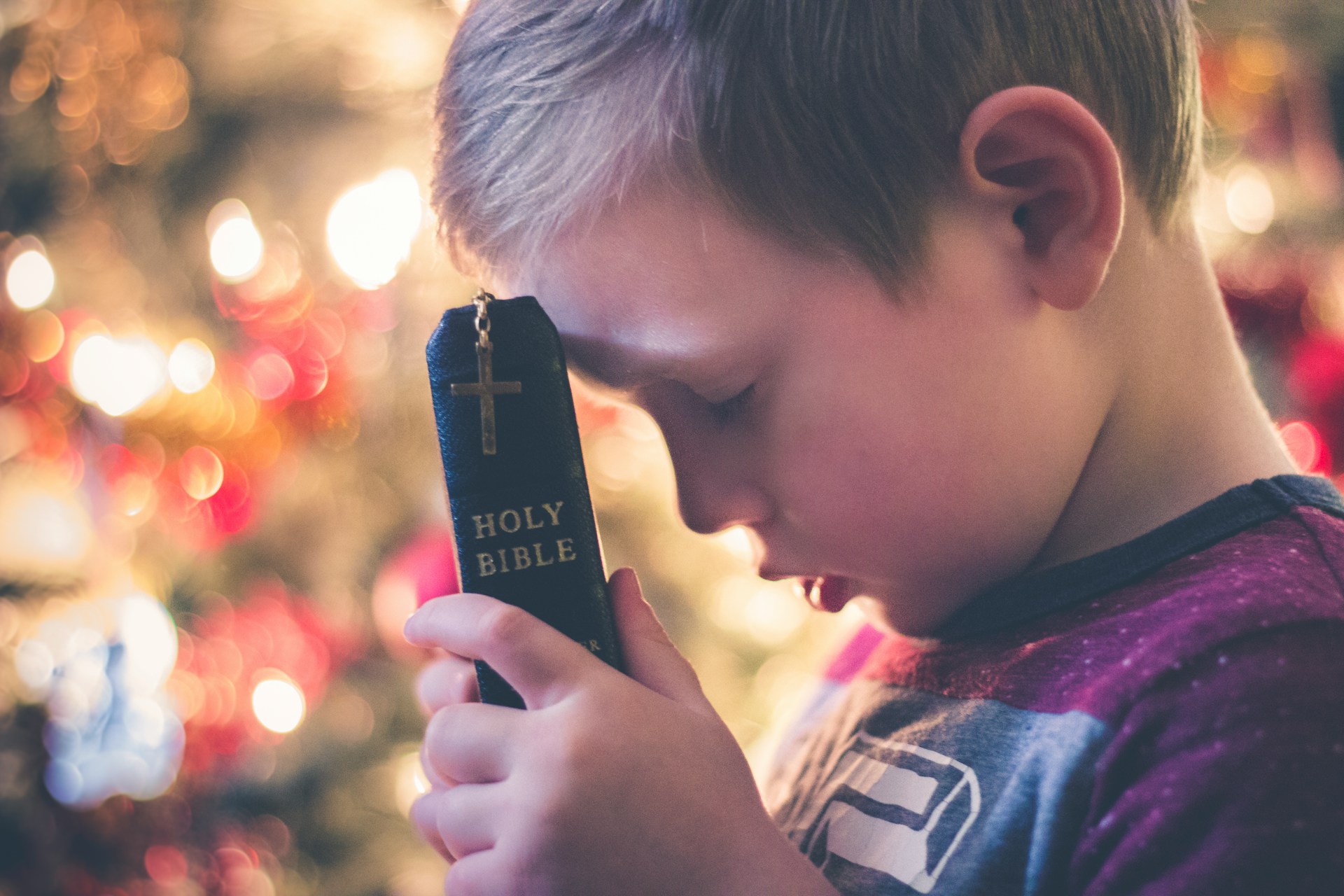
So what does balancing religious identity and diversity involve?
The Department of Education’s 2024 Guidance on Constitutionally Protected Prayer and Religious Expression in Public Elementary and Secondary Schools maintains that parents, students, and other public school community members have a constitutional right to act or speak according to their sincerely held religious beliefs.
They must, however, respect the rights of others. In addition, schools must not engage in religious activities as an institution, favor secular views over religious ones, nor favor one religion over another.
Public schools should follow the Department’s guidance to manage identity and diversity. This directs them to:
- Let students, teachers, and other school officials engage in personal prayer and religious expression, acting on an individual basis, not on behalf of the school.
- Not to sponsor prayers and religious activities, coerce, or pressure students to participate. For instance, a principal leading a prayer in a mandatory school assembly is not allowed.
- Regulate student religious speech that materially disrupts classwork, causes substantial disorder, or infringes on others’ rights. For example, a student cannot pray aloud during a math lesson in a way that prevents classmates from learning. However, apply any restrictions consistently to both religious and secular forms of expression.
- Treat religious speech the same as secular speech. For instance, evaluate assignments that contain religious viewpoints using the same standards as for secular work of similar quality.
- Provide religious student clubs and organizations with the same access to school facilities, recognition, and resources available to comparable secular student groups.
The Supreme Court strengthened the principles governing religious expression in Kennedy v. Bremerton School District. It established that public school employees may engage in personal observances, such as private prayer, while on duty. This, however, should not disrupt the school environment, constitute official school speech, or coerce student participation.
Balancing religious identity and diversity is about protecting religious expression while remaining neutral toward religion.
In addition to following constitutional religious liberty vs. diversity mandates and the DoE’s guidance, schools can reduce compliance risks by:
- Considering reasonable accommodation requests involving religious attire, symbols, and items.
- Responding consistently to religious identity vs. student rights matters, including reports of discrimination and harassment based on protected characteristics such as religion, national origin, and sexuality.
Respecting Parental Opt-Out Rights
Balancing religious identity and diversity may require reasonable accommodations for families with sincere religious objections to certain instructional content.
In Mahmoud v. Taylor, the Court ruled that the school could not deny parents the ability to opt their children out of reading storybooks with LGBTQ+ themes that conflicted with their religious beliefs. It noted that withholding notice and opt-out opportunities substantially interfered with parents’ rights to direct their children’s religious upbringing under the Free Exercise Clause of the First Amendment.
This means that public schools cannot disregard parental religious rights when implementing a curriculum that directly conflicts with sincerely held religious beliefs.
Schools may benefit from an assessment by an education expert witness when reviewing their opt-out policies and balancing religious identity and diversity.
Faith-Based School Legal Obligations

Religious schools have broader latitude under constitutional obligations regarding religious identity vs. student rights. This means they can structure their policies and practices according to their religious convictions. Still, that latitude is not unlimited.
Title IX Policies and Religious Exemptions
Faith-based institutions can formally request an exemption from specific Title IX provisions through the Department of Education’s Office for Civil Rights (OCR), where compliance would conflict with their religious tenets.
A school may reference scripture, doctrinal statements, catalogs, statements of faith, or other documents reflecting its religious tenets.
As a result, these schools may maintain policies, admission and inclusion practices, disciplinary actions, and procedures that differ from those required in public schools. These often regard marital status, pregnancy, abortion, and sex-based expectations.
Note that an exemption does not shield an institution from all legal exposure. Potential liability can stem from negligent supervision, failure to ensure basic student safety, inconsistent policy implementation, breach of contract, or conduct that contradicts its stated religious framework.
While they retain significant autonomy, religious schools remain subject to certain state and education requirements. For instance, in Matter of Parents for Educational & Religious Liberty in Schools v. Young, New York’s highest court upheld the state’s education authority to require private and religious schools to provide “substantially equivalent” instruction in core academic subjects.
These institutions can benefit from clearly defining their legal obligations and communicating institutional policies transparently when balancing religious identity and diversity. This may include clearly outlining religious expectations, admission criteria, student conduct standards, accommodations, and the scope of any Title IX policies and religious exemptions.
This helps set expectations for families. It can reduce disputes around the interpretation of institutional rules.
Seeking Education Expert Witness Assessment
Attorneys, schools, and parents often rely on education consultants to understand and manage identity and diversity matters. At School Liability Expert Group, we deeply understand the legal obligations of public, private, and faith-based schools and the pertinent professional standards of care.
We can provide a court-qualified student supervision expert witness, Title IX expert witness, or school safety expert witness to support in education litigation involving religious liberty vs. diversity mandates violations.
Schools engage our experts to review their religious identity vs. student rights policies and practices, balance religious identity and diversity, and avoid costly litigation risks.